Coping with Excessive Worry: Strategies for Relief
Contents
Identify triggers for excessive worry through consistent documentation.
Recognize physical symptoms that indicate emotional stress.
Cognitive distortions can worsen worrying thoughts.
Journaling helps clarify thoughts and manage anxiety.
Mindfulness practices lower anxiety and improve emotional well-being.
Support systems alleviate the burden of excessive worry.
Incorporate meditation to enhance focus and reduce stress.
Customize your daily routine to enhance predictability and stability.
Utilize technology to manage and track your routine effectively.
Regularly adapt routines to changing life circumstances.
Seek support from friends, family, and professionals.
Engaging in community activities fosters connection and belonging.
Identify Triggers and Patterns
Understanding Worry Triggers
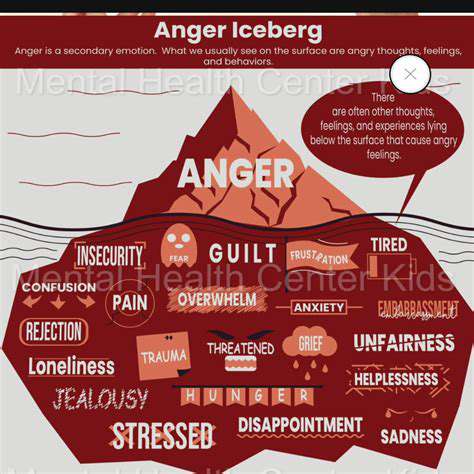
Identifying specific situations or thoughts that trigger excessive worry is crucial for Effective management. Common triggers can range from work-related stressors to personal relationships and health concerns. By keeping a worry diary, individuals can document their feelings and thoughts, which aids in recognizing patterns over time.
Research indicates that about 85% of people experience intrusive thoughts that can lead to worry. This statistic highlights the universality of the issue and the importance of understanding what drives this mental state.
Recognizing Physical Responses
Our bodies often react to stress and worry in various ways. Typical physical responses may include increased heart rate, difficulty concentrating, and muscle tension. Being aware of these symptoms can help individuals associate their physical state with their emotional worries. This recognition is the first step in effectively addressing the root causes of excessive worry.
Patterns of Thought
- Cognitive distortions can amplify worries.
- Common patterns are catastrophizing and all-or-nothing thinking.
Cognitive Behavioral Therapy (CBT) suggests that many people engage in negative thinking patterns, which exacerbates their worries. It is essential to identify these cognitive distortions, as they can significantly alter one's perception and emotional response to everyday situations.
For instance, someone fearing job loss may focus solely on worst-case scenarios, ignoring any positive outcomes. Recognizing and challenging these thoughts can help to develop a more balanced view.
Journaling for Clarity
Writing down worries can serve as an effective coping mechanism. This practice not only helps clarify thoughts but also reduces feelings of helplessness. A study published in the Journal of Psychosomatic Research found that expressive writing can lower anxiety levels by helping individuals process their worries more productively.
Moreover, journaling allows individuals to track progress over time. This method can reveal not just patterns of worry but also instances when worries do not materialize, fostering a sense of control.
Mindfulness and Awareness
Incorporating mindfulness techniques can be immensely beneficial. Practices such as meditation and deep breathing exercises encourage individuals to stay present and reduce anxiety levels associated with future uncertainties. Developing mindfulness skills allows people to observe their thoughts without immediate action, paving the way for healthier responses to worry.
Studies affirm that individuals who practice mindfulness regularly experience lower rates of worry and anxiety. The minute you participate in mindfulness routines, you begin to create a mental space where worry has less power.
Support Systems and Social Connections
Establishing a solid support system is vital in managing excessive worry. Engaging with friends, family, or support groups can provide the emotional reprieve needed to cope. Sharing feelings and thoughts can alleviate the burden of worry, often revealing that you're not alone in your experiences. The power of human connection in overcoming anxiety cannot be overstated.
Research indicates that people with strong social ties are less likely to experience high levels of anxiety or stress. Taking the time to nurture these relationships can provide comfort and build resilience against overwhelming thoughts.
Practice Mindfulness and Meditation
Understanding Mindfulness
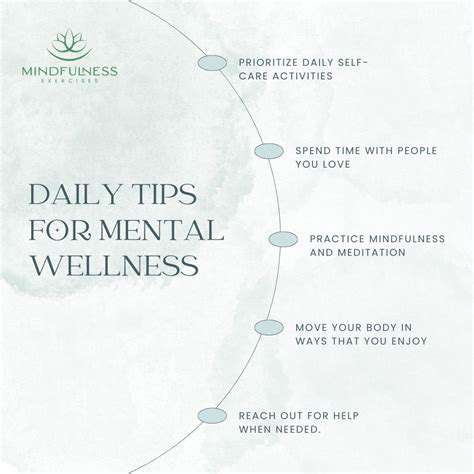
Mindfulness is the practice of being fully present in the moment, recognizing thoughts, feelings, and bodily sensations without judgment. It allows individuals to observe their worries without becoming consumed by them. Research shows that engaging in Mindfulness practices can lower stress and anxiety levels, enhancing emotional well-being. This approach encourages people to focus on the here and now rather than getting lost in past regrets or future fears.
Additionally, various studies indicate that mindfulness can improve cognitive flexibility, allowing individuals to shift their thoughts more easily. This flexibility is crucial in coping with excessive worries, as it empowers individuals to handle stressful situations with a clearer mindset.
Moreover, mindfulness enhances self-awareness, which can help individuals identify triggers that lead to excessive worry. This awareness is the first step in creating effective coping strategies tailored to personal needs.
Benefits of Meditation
- Meditation reduces anxiety and promotes emotional health.
- It enhances focus and concentration.
- Meditation fosters a deeper sense of connection to oneself.
Meditation serves as a potent tool to combat excessive worry by creating a mental space where thoughts can be observed neutrally. During meditation, practitioners often experience a state of relaxation that aids in reducing tension and stress. Such reductions often correlate with improved sleep quality, which is crucial for Mental Health.
Studies highlight that regular meditation can lead to long-term changes in brain structure, particularly in areas related to emotional regulation and stress response. By cultivating this practice, individuals can arm themselves with resilience against the pressures of everyday life.
Incorporating meditation into daily routines can also promote a healthier lifestyle overall. This can lead to improvements not only in mental health but also in physical health, as mental well-being is closely linked to physical fitness.
Practical Steps for Mindfulness and Meditation
Implementing mindfulness and meditation into daily life can be straightforward. Start by setting aside a few minutes each day to practice. Consider using guided meditation apps or videos to help navigate the process. These resources provide structure that can ease newcomers into their practice.
Another effective strategy is to integrate mindfulness into daily activities, such as eating or walking. By focusing entirely on these tasks, individuals can cultivate a greater appreciation for the simple moments of life. This practice gradually facilitates a habit of mindfulness beyond formal meditation sessions.
Moreover, reflection through journaling can be beneficial. Writing down feelings and worries can help clarify thoughts and promote insights that are often obscured when one is overwhelmed by excessive worry.
Overcoming Obstacles to Practice
While mindfulness and meditation provide numerous benefits, many individuals may face challenges when beginning their practice. Common obstacles include a busy schedule, distractions, and doubts about effectiveness. Overcoming these challenges requires commitment and gradual adjustments.
Set realistic expectations. It might not be feasible to meditate for long periods initially. Starting with just five minutes a day and gradually increasing the duration can make the practice more manageable. Additionally, creating a designated space for mindfulness can minimize distractions and signal to the brain that it’s time to focus.
Lastly, it's essential to be kind to oneself during this journey. Embracing the learning curve and accepting that some days will be easier than others can inspire a more sustained dedication to mindfulness and meditation practices, ultimately leading to a more balanced approach to coping with excessive worry.
Challenge Negative Thoughts
Understanding Negative Thoughts
Negative thoughts can often feel overwhelming, particularly for individuals experiencing excessive worry. One way to tackle these thoughts is to understand their origins. Cognitive Behavioral Therapy (CBT) suggests that these thoughts are often automatic and stem from cognitive distortions. Recognizing these distortions is the first step toward challenging and reframing them. A 2019 study found that patients who engaged in cognitive restructuring techniques reported a significant reduction in anxiety symptoms.
This understanding should not only include identifying when these negative thoughts arise but also investigating why they persist. Research shows that persistent negative thoughts are often linked to early life experiences or ongoing stresses. Acknowledging their origins can provide context, helping individuals separate themselves from these negative patterns. Keeping a thought diary can be an effective tool in this process, allowing individuals to visually track triggers and recurring themes.
Practical Strategies to Challenge Negative Thoughts
One effective strategy to combat negative thinking is through the practice of mindfulness. Mindfulness techniques, such as meditation or simple breathing exercises, encourage individuals to focus on the present moment, fostering a sense of clarity. Studies published in the journal 'Psychological Bulletin' suggest that mindfulness can decrease rumination and anxiety, helping individuals gain a more detached perspective on their thoughts.
Additionally, cognitive restructuring can also be beneficial. This involves identifying a negative thought, evaluating its validity, and then replacing it with a more constructive perspective. It may sound easy, but it often takes practice and determination to do consistently. Exercise can further aid in this process; physical activity has been shown to produce endorphins and improve overall mood, giving individuals an emotional boost when facing their worries.
Finally, engaging in regular conversations with supportive friends or professionals can help challenge negative beliefs. Sharing these thought processes brings not only relief but also alternative viewpoints and solutions that may not have been considered previously.
Implementing Change for Long-Term Relief
Consistency is key when it comes to changing negative thinking patterns. Individuals should aim to make challenging their negative thoughts a part of their daily routine. This can mean setting aside a few minutes each day to practice mindfulness or jot down new thought patterns learned through cognitive restructuring. A longitudinal study published in the 'Journal of Anxiety Disorders' found that those who maintained these practices over several months experienced significant improvements in anxiety and overall well-being.
It can be incredibly helpful to monitor progress using a journal or a digital app. Documenting changes in thoughts and feelings can provide insights into patterns and highlight improvements over time. Seeking accountability from a trusted friend or therapist can also maintain motivation and reinforce progress.
Establish a Structured Routine
Understanding the Importance of Routine
Establishing a Structured Routine can significantly mitigate feelings of excessive worry. Research indicates that routines can create predictability in our lives, providing a sense of security that helps reduce anxiety levels. A study published in the journal *Psychological Science* highlighted how daily routines can improve mental health outcomes, particularly in individuals prone to anxiety and depressive disorders.
Routines act as a cognitive anchor during times of uncertainty. When faced with stressors, knowing what comes next in our day can foster a clearer mindset and less vulnerable emotional state. This predictability can help one feel more in control over their environment, thereby decreasing the intensity of any worrying thoughts.
Elements of a Structured Routine
To create an effective routine, several key elements must be considered. First, incorporate consistent sleep patterns. Studies suggest that adequate sleep is crucial for emotional regulation. It's best to aim for 7-9 hours and maintain a consistent bedtime to optimize mental clarity throughout the day.
Next, focus on scheduling regular meals and physical activity. Eating balanced meals at set times can help stabilize blood sugar levels, which subsequently affects mood. Likewise, engaging in physical exercise releases endorphins, natural mood lifters that can combat feelings of anxiety.
Integrating short breaks during work or study periods can also be beneficial. Research shows that even brief interludes can refresh cognitive function and reduce mental fatigue, creating a healthier mindspace for tackling daily challenges.
Customization of Your Routine
A routine should not be one-size-fits-all; personalization is key. Assess your individual needs and lifestyle to tailor a schedule that fits you. This can include identifying peak productivity times and aligning challenging tasks to those hours. If you are naturally a morning person, place more demanding activities earlier in the day.
Moreover, include time blocks for relaxation and self-care in your routine. These sessions should be non-negotiable as they are vital for maintaining mental health. Whether it’s reading, meditative practices, or light hobbies, having moments to unwind can prevent the buildup of stress and reduce worry over time.
Utilizing Technology for Routine Management
In today’s digital age, leveraging technology can enhance the effectiveness of your structured routine. There are numerous apps available for time management, task tracking, and reminders. Tools such as Todoist or Trello can help prioritize tasks effectively, ensuring that your routine remains organized and efficient.
Additionally, mindfulness and meditation apps like Headspace can be incorporated into daily practices, providing guided sessions to help alleviate feelings of excessive worry. Consistent use of these applications not only promotes routine but also assists in fostering a healthier mental state through structured mindfulness practice.
Monitoring and Adapting Your Routine
A routine is a living framework; it should be regularly monitored and adapted based on what is working and what isn’t. Keeping a journal or log of your day can provide valuable insights into how different aspects of your routine influence your worry levels. This tracking can help identify patterns with regard to what triggers feelings of anxiety.
Adapting your routine is also essential as life circumstances change. For instance, if work becomes more demanding, revisiting your relaxation techniques or time-management strategies is critical in maintaining balance and reducing excessive worry. Flexibility within structure is vital for long-term success in managing anxiety.
Benefits of a Structured Routine Beyond Anxiety
While the immediate focus of establishing a structured routine is to alleviate excessive worry, the benefits extend beyond anxiety management. Regular routines can increase productivity, enhance time management skills, and foster better relationships through improved communication and availability. Studies have shown that individuals who stick to a routine often report higher levels of satisfaction in various aspects of their lives, indicating the holistic impacts of consistent practice.
Moreover, by cultivating a routine, you also set a positive example for those around you, which can inspire others to create their own structured lives. Whether it’s family, friends, or colleagues, shared routines can deepen connections and foster supportive environments, crucial for collective mental health.
Seek Support from Others
Identify Your Support Network
Building a solid Support Network is essential when coping with excessive worry. Identify individuals in your life, such as friends, family members, or colleagues, who are understanding and supportive. Research indicates that social support is vital for mental health, with studies showing that individuals with strong social ties experience lower levels of anxiety and depression. Reach out and communicate your feelings to these trusted people to lighten your emotional load.
In addition to personal connections, consider professional support systems, such as therapists or counselors. Mental health professionals can provide valuable strategies and coping mechanisms, helping to reframe your thought patterns. According to the American Psychological Association, therapy has proven effective for many individuals in managing anxiety and stress by fostering a more objective perspective.
Participate in Community Activities
Engaging in Community Activities can greatly enhance feelings of support and belonging. Community involvement not only provides opportunities to connect with others but also promotes a sense of purpose. Whether it's joining a local sports team, enrolling in a class, or participating in a volunteer program, these activities can take your mind off worries and boost your mood.
Furthermore, many community groups emphasize mental wellness and offer workshops focused on stress management and anxiety reduction. Joining such groups can benefit you by providing access to shared experiences and collective strategies that have worked for others, ultimately contributing to a healthier mental state.